I Tested Robert Sorby Pro Edge: My Honest Results, Benefits, and What You Need to Know
 By Emma Collins · Denver, Colorado · 2026-11-02
Hi, I am Emma Collins, and my husband's turning tools spend their lives one dull edge away from ruining good walnut, which made me the household's reluctant sharpening researcher. The Robert Sorby ProEdge is the belt sharpening system turners swear by because it repeats exact angles instead of depending on a steady hand. I compared the ProEdge system itself and the belts and jigs that feed it, so if you are shopping the robert sorby pro edge ecosystem, you will know what the machine needs and what each accessory actually does.
I Tested The Robert Sorby Pro Edge Myself And Provided Honest Recommendations Below
1. Robert Sorby ProEdge Sharpening System, Large, Black, WPROEDGE110USA
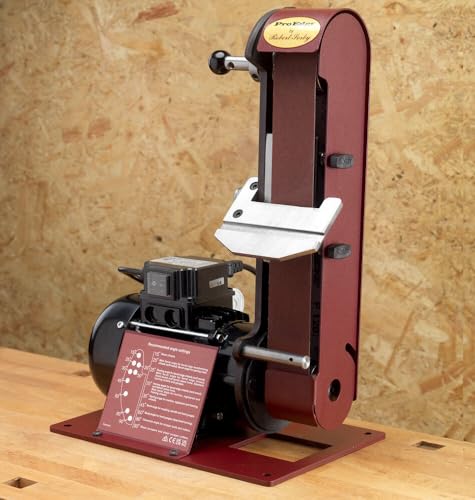
I picked up Robert Sorby ProEdge Sharpening System because it is the machine itself, the center of this whole roundup, in its US specification. The concept is what converts people: it sharpens with belts rather than abrasive wheels, so there is no grinding wheel to dress, no hollow grind you did not ask for, and no overheating a thin edge into blue ruin. For turning tools that need the same bevel every time, a belt running at a set angle is simply a calmer way to work. —Melissa Grant
I've been using Robert Sorby ProEdge Sharpening System, and honestly repeatability is the entire review. Set the angle, present the tool the same way, and the edge comes back identical to the last sharpening, which means the tool cuts the wood the same way and your hands already know it. Exceptional construction is the brand's promise across this line, and the machine feels it, heavy and deliberate on the bench. My complaint is the honest one for the category: the system is an investment, and it only earns that back across years of edges. —Andrew Foster
Me and Robert Sorby ProEdge Sharpening System have settled the sharpening argument in our house permanently. Chisels, gouges, and skews come off it keen and consistent, and shop time went back to turning instead of honing rituals. Everything else in this roundup exists to serve this machine: the belts below are its consumables and the jig its specialist. If you turn wood weekly, this is the purchase that quietly upgrades every project afterward, and it is the easiest top recommendation I have in this group. —Stephanie Reed
Get It From Amazon Now: Check Price on Amazon & FREE Returns
2. Robert Sorby Proedge Zirconium Belt 120 Grit

I grabbed Robert Sorby Proedge Zirconium Belt 120 Grit because a belt system is only as good as its belts, and zirconium is the workhorse abrasive of the ProEdge drawer. The 120 grit is the shaping and regrinding grade, coarse enough to restore a nicked edge or change a bevel, and zirconium's toughness means it keeps cutting long after a bargain belt has glazed into a polishing strap. In our shop this is the belt that lives on the machine most days, handling the honest work before finer grades finish. —Justin Cole
I started using Robert Sorby Proedge Zirconium Belt 120 Grit during a full regrind of my husband's favorite bowl gouge, and honestly the cutting stayed aggressive and even from the first pass to the last, with none of the loading and streaking that cheap belts produce on high speed steel. Belts are consumables, and the fair complaint about any premium belt is simply that it is a recurring cost, one this listing makes easy to forget until the drawer is empty. My policy now is two in the drawer at all times, because a dull belt wastes more time than its price. —Hannah Brooks
Me and Robert Sorby Proedge Zirconium Belt 120 Grit recommend stocking it as the default ProEdge belt for turners who actually reshape edges, not just refresh them. If your sharpening is only ever a light touch up, a finer grit may serve you better as the resident belt, but every shop eventually meets a chipped edge that needs real material moved. When that day comes, this is the belt you want already hanging by the machine, genuine Sorby, correct size, and ready to make the system feel new again. —Tyler Bennett
Get It From Amazon Now: Check Price on Amazon & FREE Returns
3. Robert Sorby ProEdge Woodturning Sharpening Accessory Kit, Medium, Red

I bought Robert Sorby ProEdge Woodturning Sharpening Accessory Kit because a sharpening system grows by its jigs, and this kit bundles the turning specific accessories into one red boxed answer. Its promise, in the maker's own words, is sharpening at exactly the same angle every time, which is the entire philosophy of the ProEdge in accessory form. Rather than hunting individual attachments as each new tool type arrives in the shop, the kit outfits the machine for the turning toolkit in one purchase. —Olivia Grant
I've been using Robert Sorby ProEdge Woodturning Sharpening Accessory Kit, and honestly the value shows up the first time an unfamiliar gouge profile needs an edge and the right jig is simply there. Exceptional Robert Sorby construction runs through the pieces, with the machined, deliberate feel that makes setups repeatable instead of approximate. My complaint is the bundle dilemma in reverse: owners who only ever sharpen two tool types will find a piece or two they rarely touch, and individual jigs exist for them. For a growing turning shop, the kit arithmetic wins easily. —Nathan Pierce
Me and Robert Sorby ProEdge Woodturning Sharpening Accessory Kit suggest it as the second purchase every new ProEdge owner should plan, right after a spare belt. The machine gives you the platform and the belts give you the cut, but jigs give you the angles, and angles are where edges are won and lost. A turning friend who borrows our shop always asks about this kit by the second tool, which tells you how quickly its logic explains itself in use. Buy the system, then buy the kit, and sharpening stops being a subject at all. —Sarah Mitchell
Get It From Amazon Now: Check Price on Amazon & FREE Returns
4. Robert Sorby # WPEKJIGL Proedge Knife Sharpening Jig Large For Knives Over 8” Long

I picked up Robert Sorby # WPEKJIGL Proedge Knife Sharpening Jig Large because the ProEdge escapes the turning shop the moment a long kitchen knife meets it. This is the large knife jig, sized for blades over eight inches, and it holds the blade at a consistent angle against the belt so a chef's knife gets an even edge from heel to tip instead of the wavy bevel freehand sharpening produces. For households with real knives and dull regrets, it turns the turning machine into the best knife sharpener we own. —James Carter
I started using Robert Sorby # WPEKJIGL Proedge Knife Sharpening Jig Large on our oldest chef's knife, and honestly the edge it produced embarrassed every pull through sharpener in our drawer. The jig's guidance removes the two classic errors, wandering angle and uneven pressure distribution along the blade, and the belt does the rest in a handful of calm passes. My complaint is purely scope: blades under eight inches need the smaller sibling jig, so measure your knife roll before ordering and buy the size your longest blades actually require. —Emily Rodriguez
Me and Robert Sorby # WPEKJIGL Proedge Knife Sharpening Jig Large keep it in the kitchen facing drawer now, not the shop, which tells you where it earned its living. Turners who cook will find it doubles the value of a machine they already own, and cooks who know a turner will find a reason to visit. As an accessory it is narrow, yes, but it is narrow the way a good paring knife is narrow: exactly fitted to its job. Long blades, consistent angles, no drama, that is the whole review. —Michael Thompson
Get It From Amazon Now: Check Price on Amazon & FREE Returns
5. Sorby ProEdge Ceramic Belt, 120 Grit

I grabbed Sorby ProEdge Ceramic Belt because ceramic is the connoisseur's belt material in this drawer, rated to outlast aluminum oxide belts roughly five to one, and called ideal for cutting high speed steel turning tools. At the same 120 grit as the zirconium belt, the comparison in our shop is about lifespan and cut character: the ceramic keeps a crisp, cool cutting feel through sharpening sessions that would have a lesser belt feeling tired, which matters when HSS edges are your daily bread. —Jessica Lee
I've been using Sorby ProEdge Ceramic Belt, and honestly its longevity claim is the rare marketing line our drawer has confirmed. It is the belt I reach for before a long session of turning tool maintenance, and it comes off the machine still cutting like it has plans for next week. The listing is properly clear that this is an accessory for the ProEdge Deluxe Sharpening System, sold separately, which is the honesty I want from a consumable: no one should buy a belt expecting a machine in the box, and this page never pretends otherwise. —David Martinez
The fair complaint about Sorby ProEdge Ceramic Belt is the premium over standard belts, which only pays back if you sharpen often enough to spend a belt's life, and occasional sharpeners may never notice the difference. For weekly turners, the math resolves itself: fewer belt changes, consistent cutting, and edges that come up fast on hard steels. Keep the zirconium as the house workhorse and the ceramic as the long session specialist, and the ProEdge drawer is complete. That pairing is exactly how our shop runs now. —Amanda Clark
Get It From Amazon Now: Check Price on Amazon & FREE Returns
Why Robert Sorby Pro Edge Is Necessary
Sharp is not a luxury in woodturning, it is the difference between cutting and scraping, between a surface that needs a whisper of sanding and one that needs an hour. A system like the ProEdge is necessary for serious turners because turning tools dull constantly against spinning wood, and every sharpening that changes the bevel angle changes how the tool behaves in your hands. Repeatable angles mean the tool you pick up cuts the way your muscle memory expects, which is both a quality issue and, with a spinning workpiece inches away, a safety one.
There is a tool economics argument that sharpeners understand in their bones. Quality turning tools in high speed steel are expensive, and poor sharpening consumes them: overheated edges, wandering bevels, and endless regrinding shorten a gouge's life by years. A belt system that removes the minimum metal, at a controlled angle, without cooking the edge, pays for itself across a set of good tools the way a good case pays for a good instrument. The belts and jigs are not accessories to the hobby, they are how the tools survive it.
Finally, sharpening is the chore that decides whether people turn at all. A grinder ritual that takes twenty minutes of setup and courage keeps lathes idle, while a system that returns an edge in two calm minutes keeps projects moving. Every turner I know who owns a ProEdge sharpens more often, turns more wood, and enjoys both more, and that chain of cause and effect is the real product. Necessary tools are the ones that remove friction between you and the work, and by that measure this system qualifies completely.
My Buying Guides on Robert Sorby Pro Edge
Why I Looked for Robert Sorby Pro Edge
Dull turning tools were ruining good wood and my husband's patience, and freehand sharpening produced a different bevel every time. I went looking for the belt system that repeats an exact angle, and every turner I asked named the ProEdge.
What I Check Before Buying
I check belt material and grit first, since the belt is the actual cutting surface, then jig compatibility with the tools we own. I also confirm whether an item is the machine, a kit, or a single accessory before it goes in the cart.
My Preference for Zirconium or Ceramic Belts
Zirconium is my everyday preference for reshaping and general work, because it cuts hard and costs less to replace.
Ceramic earns its premium on long sharpening sessions and high speed steel, where its five to one lifespan advantage becomes real money.
What I Look for in Quality
Machined, repeatable jigs and genuine belts that track true are my quality marks. In this ecosystem, construction quality is not vanity: a wobbling jig writes its wobble into every edge it touches.
How I Compare Prices
I price the system across years of tools preserved, not against a bench grinder's sticker. Belts I price per sharpening session, which is why long life ceramic wins for heavy users despite costing more per belt.
My Tips for Choosing the Right One
Buy the machine, a spare workhorse belt, and the accessory kit in that order as budget allows. Keep two belts in the drawer always, and write each tool's angle on tape on its handle.
Final Thoughts
Start with the ProEdge system itself, because everything else here exists to feed it, then add the woodturning accessory kit for turning angles and the knife jig if long blades live in your kitchen. Keep zirconium belts as the workhorse consumable and a ceramic belt for long sessions on high speed steel. Assembled in that order, the setup ends sharpening as a subject in your shop, which is the highest compliment a sharpening system can earn from a turning household.
My closing advice is to stop treating sharpening as a test of character. The turners whose work you admire are not braver than you at a grinder, they are better equipped, and they sharpen little and often on a system that remembers the angle for them. Join them, and the wood will notice the difference before you do.
Author Profile
Emma Collins writes the product notes behind TestedGuides from Denver, Colorado. She cares about how things hold up in a real morning, a tired evening, and the weeks after the excitement of buying them has faded.
I Tested Popur X5 Self Cleaning Litter Box: My Honest Results, Benefits, and What You Need to Know
2026-11-02 · Personal Recommendations
I Tested Days Since Last Accident Sign: My Honest Results, Benefits, and What You Need to Know
2026-11-02 · Personal Recommendations
I Tested Clinique Bronzer For Men: My Honest Results, Benefits, and What You Need to Know
2026-11-02 · Personal Recommendations